A professional homeowner's guide to managing the complete appliance repair maintenance checklist effectively.
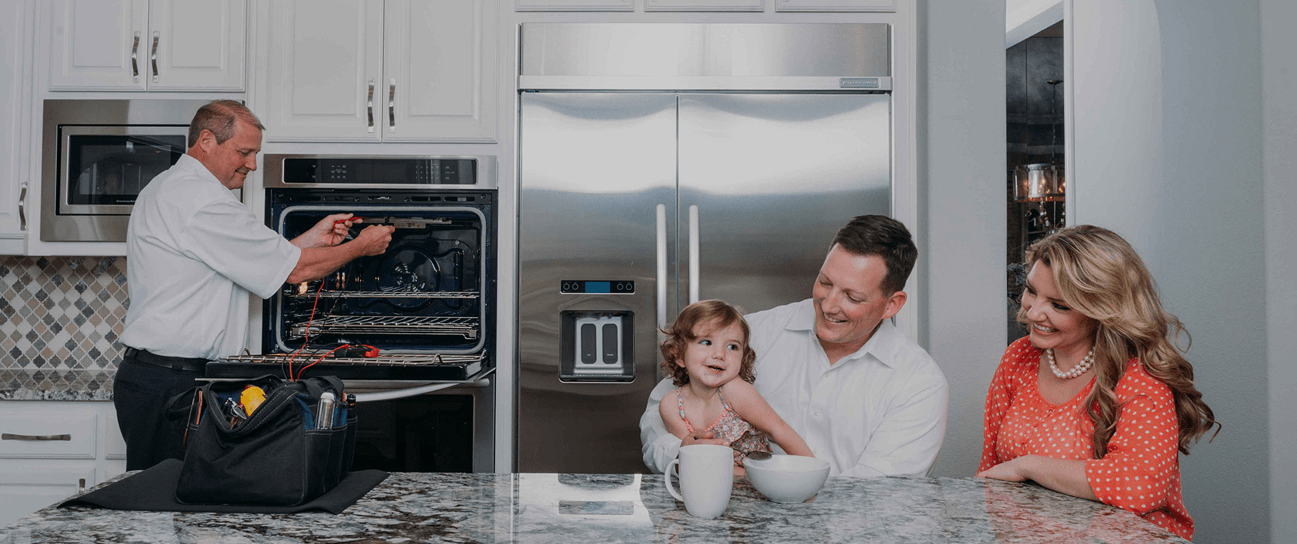
Expert Insights on Appliance Repair
Modern appliances represent a significant investment in your home's efficiency. Regular maintenance not only extends the lifespan of your refrigerators, washers, and dryers but also ensures they aren't consuming excessive energy due to mechanical strain.
When dealing with The Complete Appliance Repair Maintenance Checklist, it is crucial to follow EPA recommendations to ensure that every repair or maintenance task adheres to modern safety standards. Proactive management not only saves you thousands in potential emergency costs but also guarantees the long-term reliability of your home infrastructure.
Critical Maintenance Checklist
To keep your property in peak condition, we recommend incorporating the following steps into your seasonal maintenance routine. These simple actions can prevent 90% of the most common issues reported by homeowners in our network:
- Clean: Clean refrigerator coils twice a year to maintain cooling efficiency.
- Inspect: Inspect washing machine hoses for bulges or cracks every few months.
- Clear: Clear dryer vents annually to prevent lint buildup and fire risks.
- Ensure: Ensure dishwashers are level to prevent leaks and motor strain.
Warning Signs: When to Take Action
Don't wait for a total system failure to call in the experts. Recognizing early warning signs is the best way to keep your repair costs low. If you notice persistent issues like unusual noises, decreased efficiency, or visible wear, it is time to schedule a professional diagnostic. Most major repairs could have been prevented if the early symptoms were addressed by a qualified local appliance repair technician.
Safety First: Know Your Limits
High-voltage appliances like microwaves and ovens contain capacitors that can hold a lethal charge even when unplugged. Always call a pro for internal repairs.
While basic upkeep can be handled by many homeowners, any task involving high-voltage electricity, pressurized gas, structural modifications, or specialized chemicals requires professional intervention. DIY mistakes in these areas can lead to significant property damage, personal injury, and the loss of insurance coverage.
Ready to take action?
Our fleet of trusted professionals is ready to help you with your home projects today.
Speak With A Specialist NowSee Us In Action
DIY Safety Guide
Basic maintenance like changing filters or clearing light debris is safe for homeowners. However, always wear protective gear and never handle live wires or gas lines without training.
When to Call a Pro
If the task involves structural changes, high-voltage electricity, pressurized systems, or specialized chemicals, you must hire a licensed professional to ensure safety and code compliance.